


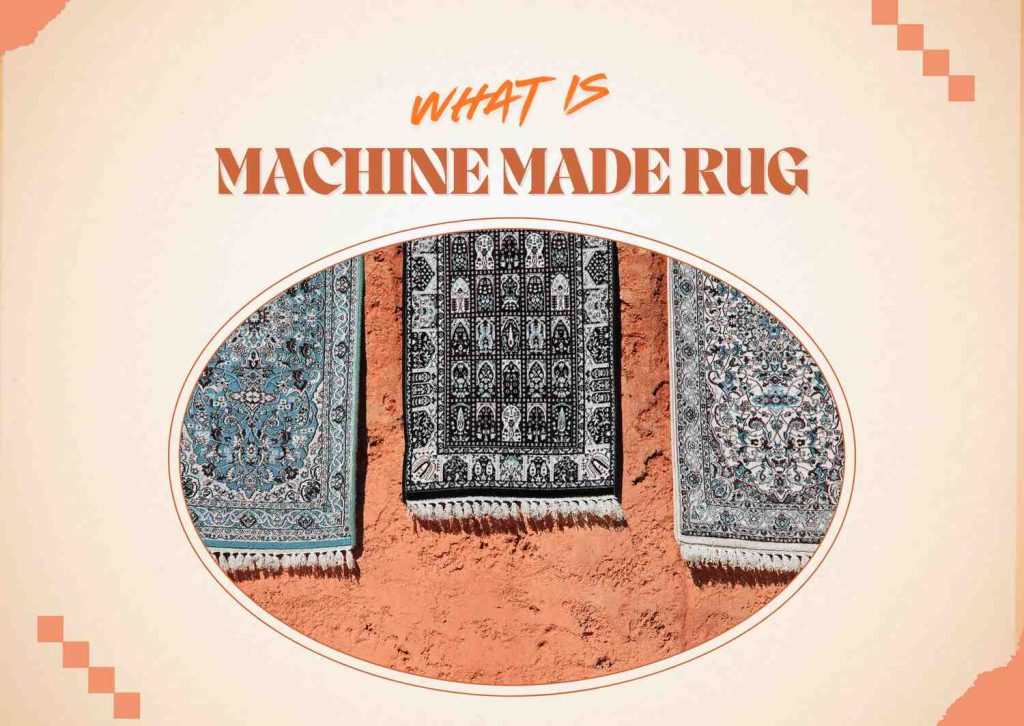
What Is a Machine Made Rug?
What Is a Machine Made Rug? https://www.carpetgurus.com/wp-content/uploads/Machine-Made-Rug-1024x726.jpg 1024 726 Jennifer Dean https://secure.gravatar.com/avatar/a12339e5b4dc251257b22c265dbeca84?s=96&d=mm&r=gThere’s a moment, familiar to anyone who has ever wandered through a home goods store, when you reach down and touch a rug that looks impossibly intricate and think: there is no way a human made this. You are correct.
Welcome to the world of the machine made rug, where technology, textile engineering, and your living room budget have reached a surprisingly elegant agreement.
How Machine Made Rugs Are Actually Produced
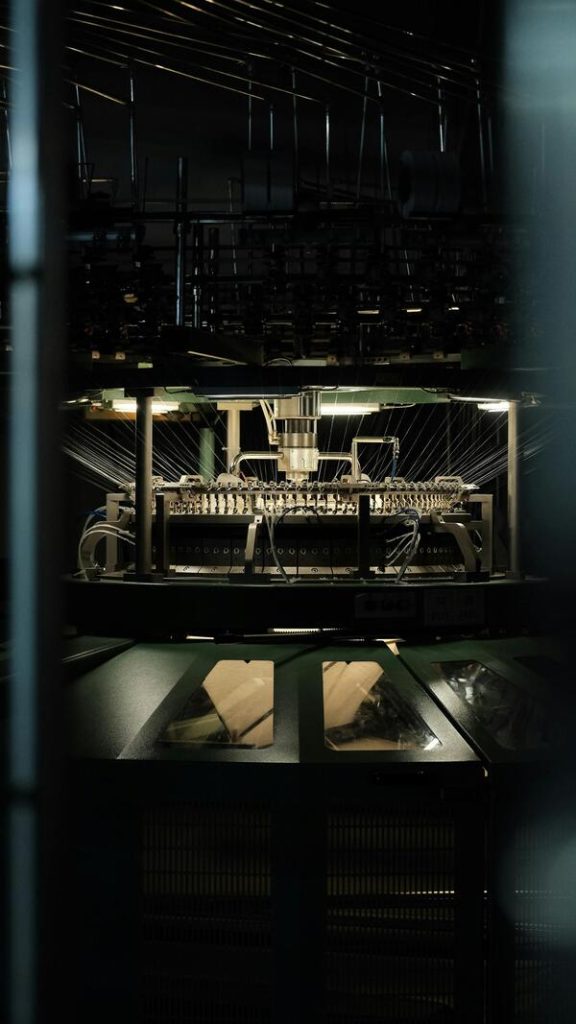
The name gives most of it away, but the process deserves more credit than it typically receives. A machine made rug is woven or tufted using automated industrial machinery, most commonly a power loom, rather than by hand. These machines can execute thousands of yarn insertions per minute, a pace that would make even the most seasoned artisan weaver quietly set down their shuttle and contemplate a career change.
The dominant production method is Wilton weaving or Axminster weaving, both named after English towns that were at the center of the carpet-making revolution during the Industrial Age. In Wilton weaving, yarn is fed from spools through a series of mechanical heddles that raise and lower threads in precise patterns, locking the pile yarn into a stable weft and warp structure. Axminster looms, on the other hand, cut and insert individual yarn tufts row by row, allowing for more complex color work across the surface.
The third major process is tufting, which involves punching yarn through a primary backing using hundreds of needles simultaneously, then securing it with a secondary latex backing. The majority of wall-to-wall carpet sold in America today is made this way, and it is almost certainly what is under your feet right now.
The Materials Inside a Machine Made Rug
Walk into any rug section of a major retailer and you’ll encounter a cast of fiber characters, each with its own personality and price point. Polypropylene (also called olefin) is the workhorse of machine made rugs: inexpensive, stain-resistant, and unfazed by moisture. It’s the golden retriever of rug fibers: not the most sophisticated, but reliably cheerful and easy to clean.
Polyester offers a softer hand feel and better color vibrancy, making it a popular choice for area rugs marketed toward living rooms and bedrooms. Nylon, the most durable of the synthetic trio, holds up well in high-traffic areas and resists crushing under furniture pressure better than its counterparts.
Some machine made rugs incorporate wool, though this is less common given the added cost. When wool is used in machine production, it is typically blended with synthetic fibers to balance softness and durability while keeping the price from going entirely off the rails.
The pile height and pile density of a machine made rug directly affect how it performs underfoot. A higher pile feels luxurious but shows footprints and vacuum tracks with an honesty that can feel a little accusatory. A lower, denser pile wears better and hides the evidence of daily life more diplomatically.
Machine Made vs. Hand Knotted vs. Hand Tufted
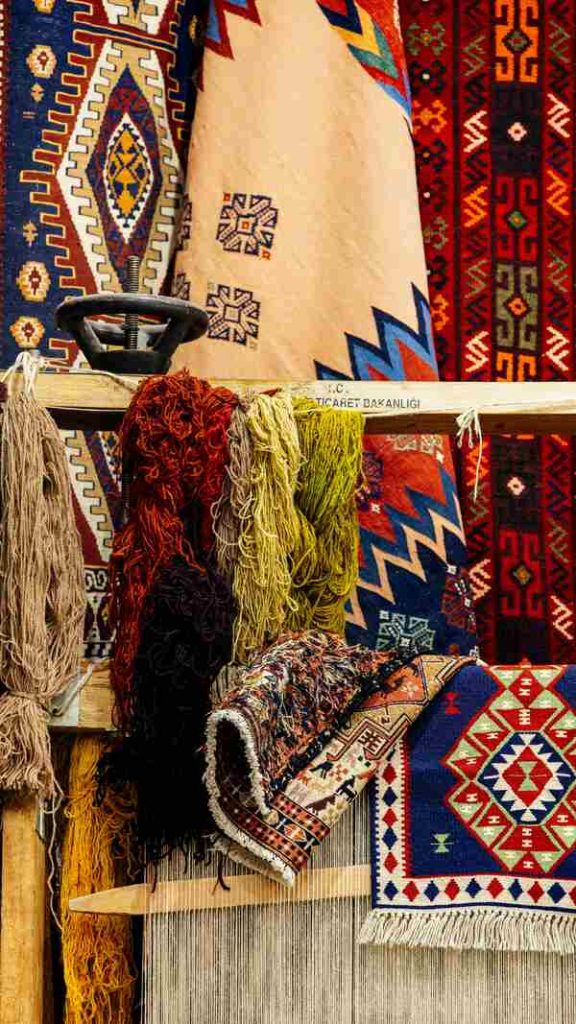
This is where shoppers tend to get turned around, so let’s untangle it plainly. A hand knotted rug is made by artisans who tie individual knots around the warp threads one by one. A high-quality hand knotted Persian or Turkish rug can take months or even years to complete and will cost accordingly. These are heirloom pieces; they appreciate in value, develop character with age, and command genuine reverence.
A hand tufted rug sits in the middle. It is made by a person using a tufting gun to push yarn through a canvas backing, then finishing the back with latex and a cloth cover. It looks handmade and carries some of the warmth of human craft, but it lacks the structural integrity of hand knotting and will not last as long.
A machine made rug is the most democratically priced of the three. It is produced at scale, available in enormous variety, and can be replaced without grief when the dog finally wins. For most households navigating school-age children, shedding pets, and the general chaos of living, this is not a compromise. It’s a rational choice.
One meaningful distinction: machine made rugs typically cannot be repaired the way hand knotted rugs can. When they wear out, they are replaced rather than restored. Think of them less as investments and more as well-designed consumables.
What Defines Quality in Machine Made Rugs
Not all machine made rugs are created equal, and the gap between a well-constructed one and a cheap impostor is significant. The key metrics to examine are knots per square inch (KPI) or the equivalent stitch rate in tufted constructions, the weight of the pile, and the quality of the backing.
A denser construction means more yarn per square inch, which translates to better durability and a more refined appearance. Rugs that look impressively detailed in the store photo but feel thin and hollow underfoot are often victims of low face weight, the measure of how much fiber actually makes up the surface of the rug.
The backing material is equally important and routinely ignored. A quality machine made rug will have a stable, well-adhered backing that resists curling and delamination. Budget rugs sometimes begin shedding their backing like a bad sunburn within a year of purchase, which is nobody’s idea of a good time.
Color fastness is another marker of quality. Well-made machine rugs use solution-dyed fibers where the color is baked into the yarn itself during manufacturing, rather than applied to the surface afterward. This makes them significantly more resistant to fading from sunlight and cleaning.
Where Machine Made Rugs Work Best
In practical terms, machine made rugs are the sensible choice for high-traffic areas: hallways, entryways, children’s rooms, and any space that sees regular foot traffic and occasional spills. Their uniformity of construction means they wear evenly, and their lower price point means replacing them every several years does not require a deep financial conversation.
They also excel in spaces where a specific pattern or color is needed to tie a room together. The design capabilities of modern power looms are extraordinary. Geometric, floral, transitional, and contemporary patterns can all be reproduced with impressive accuracy, making it possible to find exactly the right visual note for a room without commissioning anything bespoke.
For formal living rooms, dining rooms, or spaces where a rug is meant to be a statement piece, a hand knotted or high-quality hand tufted rug may better serve the room. But for the kitchen where the coffee gets spilled every Tuesday, a machine made rug is simply the wise answer.
Caring for a Machine Made Rug
Maintenance is refreshingly straightforward. Regular vacuuming removes the surface debris and fiber particles that accumulate with use. Most polypropylene and polyester machine rugs can be spot-cleaned with mild soap and water without drama, and many smaller sizes are machine washable, which remains one of the quiet miracles of modern domestic life.
Avoid prolonged exposure to direct sunlight without UV-protective window treatments, as even solution-dyed fibers will eventually yield to sustained UV exposure. Rotating the rug every year or two helps ensure even wear, particularly in rooms where furniture placement creates predictable traffic patterns.
Conclusion
The machine made rug is not trying to be something it isn’t. It is an honest, practical, and increasingly sophisticated product of industrial textile engineering, designed to bring pattern, comfort, and warmth into homes at a price point that doesn’t require a second mortgage.
Understanding what it is and how it’s made helps you choose the right one, care for it properly, and feel entirely settled about the decision. The handwoven antique can wait for another budget cycle.
Frequently Asked Questions
Q: Are machine made rugs low quality? Not necessarily. Quality varies widely across machine made rugs. High-density constructions using solution-dyed fibers and stable backings can be durable, attractive, and perfectly suited for most residential applications. Price is a rough guide, but examining pile density and backing quality tells you more.
Q: How long does a machine made rug typically last? With regular care, a well-made machine rug can last anywhere from 5 to 15 years depending on the fiber type, construction density, and the amount of traffic it endures. Nylon constructions in high-traffic areas tend to outperform polyester or polypropylene under similar conditions.
Q: Can I tell if a rug is machine made by looking at the back? Yes, often. The back of a machine made rug typically shows a uniform, mechanical pattern. Hand knotted rugs display individual knots visible on the reverse, and the pattern mirrors the front. A latex-coated backing with a cloth underlay is a strong indicator of machine or hand tufted construction.
Q: Are machine made rugs safe for homes with children and pets? Generally, yes. Many machine made rugs, particularly those made with polypropylene, are inherently stain-resistant and easy to clean. Look for rugs labeled low-VOC or certified by organizations like GreenGuard if indoor air quality is a priority.
Q: Is a machine made rug a good investment? Unlike hand knotted rugs, machine made rugs do not appreciate in value and are not typically considered investments. They are best understood as quality furnishings with a practical lifespan, chosen for function, style, and budget compatibility rather than future resale value.
If you buy something on this page, we may get a small share of sale at no additional cost to you. We only recommend products that we have used ourselves and feel are really useful, not because of the limited compensation from the links through our posts.



Leave a Reply