


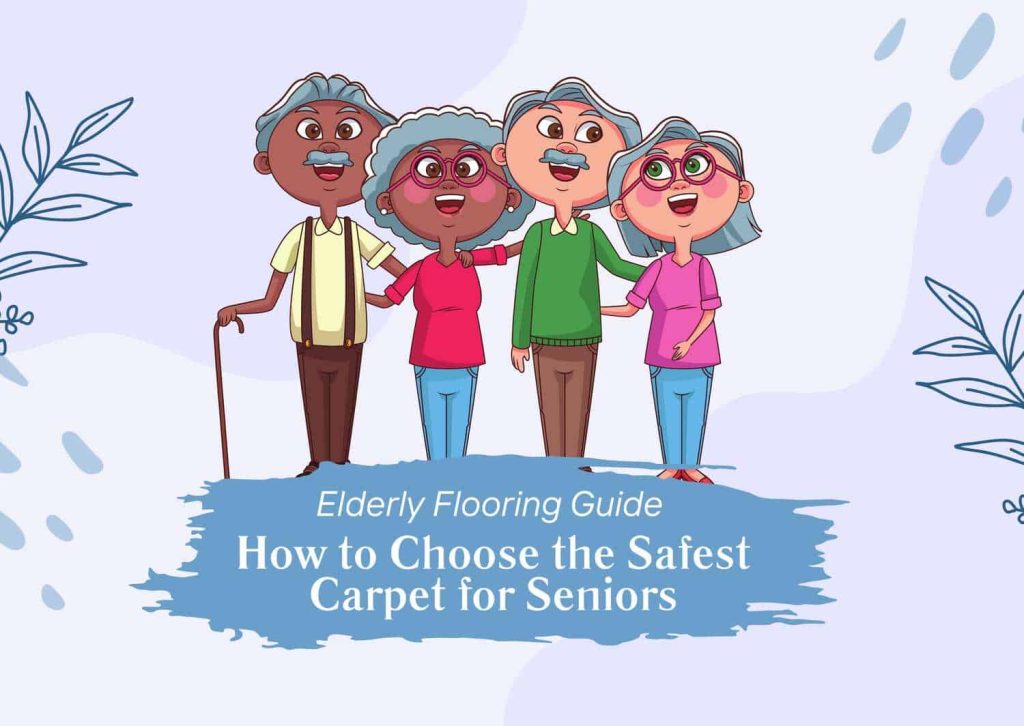
Carpet and the Elderly: Choosing Safe and Comfortable Flooring for Aging in Place
Carpet and the Elderly: Choosing Safe and Comfortable Flooring for Aging in Place https://www.carpetgurus.com/wp-content/uploads/Carpet-and-Elderly-1024x726.jpg 1024 726 Brandon Smith https://secure.gravatar.com/avatar/8e6588d4e69d33efb7d73d9ab24a09e4?s=96&d=mm&r=gMy mother-in-law called last Tuesday in a panic. Her friend Dolores had taken a tumble in her living room, not because she’d been attempting amateur acrobatics or testing the limits of her balance, but because her throw rug had decided to stage a rebellion. “We need to talk about your floors,” she announced, as if I were harboring criminals beneath my feet.
She wasn’t wrong to worry. The conversation about flooring for aging adults tends to get swept under the rug (pun absolutely intended) until someone we love ends up sprawled on the ground, wondering how something as innocent as walking across a room became an extreme sport. Yet the flooring beneath our feet plays a starring role in whether older adults can safely remain in their homes, a goal that aging in place experts and geriatricians increasingly champion as both healthier and more dignified than premature moves to assisted living facilities.
Falls represent the leading cause of injury among adults over 65, accounting for more than 3 million emergency room visits annually, according to the Centers for Disease Control and Prevention. While we can’t blame flooring for all of these incidents, the surfaces we choose for our homes act as either silent guardians or hidden hazards. The question isn’t whether flooring matters; it’s which type serves elderly residents best, and how we can install it to maximize both safety and comfort.
The Great Flooring Choice: Hard Surfaces vs. Carpet

Walk into any senior living facility and you’ll notice something: institutional hallways favor hard surfaces while individual rooms often feature low-pile carpet. This split decision reflects an ongoing conversation among occupational therapists, architects, and aging specialists about which flooring type better serves older adults.
Hard flooring, whether tile, hardwood, or luxury vinyl, offers undeniable advantages. Walkers and wheelchairs glide across these surfaces with minimal resistance. Spills wipe up easily. For seniors managing incontinence or messy medication routines, hard floors forgive accidents that would permanently mark carpet. Medicare and insurance companies generally prefer them because they’re easier to sanitize.
Carpet, however, brings qualities that cold, hard surfaces simply cannot match. Cushioning effect matters tremendously when bones grow brittle and balance becomes unreliable. A fall onto carpet results in fewer fractures than the same fall onto tile or hardwood. The slip resistance that carpet naturally provides helps prevent falls in the first place, particularly important given that older adults often shuffle rather than lift their feet fully with each step.
Then there’s the comfort factor. Standing for extended periods becomes painful when joints ache and circulation slows. Dense carpet padding provides relief that hard floors never will, making kitchen work, bathroom routines, and other daily activities more manageable. My own father, who spent forty years standing on concrete factory floors, now refuses to walk barefoot on anything but carpet. “My feet have earned something soft,” he insists.
Choosing the Right Carpet: Not All Fibers Are Created Equal
The carpet industry hasn’t made selecting the right product particularly intuitive. Marketing materials tout stain resistance and vibrant colors, but rarely address the needs of someone who might be navigating their bedroom at 3 a.m. with less-than-perfect vision and unsteady legs.
Loop pile carpets, those with uncut fiber loops, should generally be avoided in homes with elderly residents. Canes, walkers, and even toes can catch in the loops, creating dangerous tripping hazards. I learned this firsthand when my grandmother’s walker became entangled in her berber carpet, sending her sprawling. The emergency room doctor suggested we might want to reconsider our flooring choices with the same gentle tone one might use to suggest someone stop using a flamethrower indoors.
Cut pile carpets, particularly those with low to medium pile heights (less than half an inch), provide the safest option. Textured or frieze carpets in this category offer excellent slip resistance without creating obstacles for mobility aids. The twisted fibers create just enough grip underfoot while maintaining a smooth enough surface for wheelchairs and walkers.
Nylon and polyester fibers dominate the residential carpet market, and both work well for elderly homeowners. Nylon offers superior durability and resilience, important when walkers and wheelchairs traverse the same paths repeatedly. Polyester, while slightly less durable, often comes at a lower price point and provides adequate stain resistance for most households. Wool carpet, though luxurious and naturally flame-resistant, demands more maintenance than most elderly individuals want to manage.
Color selection matters more than most people realize. High-contrast patterns can create visual confusion, making some seniors perceive changes in pattern as changes in floor level, an illusion that triggers hesitation and increases fall risk. Solid colors or subtle patterns in medium tones prove safest. Very dark carpets hide obstacles and spills, while very light ones show every spot and require constant cleaning that becomes burdensome with age.
The Unsung Hero: Quality Underlayment
Talk about carpet installation and most people think only about the visible surface. The real magic, however, happens underneath. Quality underlayment, or carpet padding, transforms adequate carpet into excellent flooring for elderly residents.
Memory foam or rebond padding between 7/16 and 1/2 inch thick provides optimal cushioning without creating excessive softness that impedes mobility. Too much padding makes walking feel like trudging through sand, particularly problematic for individuals with reduced leg strength. Too little padding eliminates the fall protection benefits that make carpet attractive in the first place.
Density matters more than thickness. Look for padding rated at least 6.5 pounds per cubic foot. This density provides adequate cushioning while maintaining the firm support necessary for safe walking and wheelchair use. The padding should compress slightly underfoot but spring back quickly. Like a good mattress, it should support rather than swallow.
Moisture-barrier padding deserves serious consideration, particularly for bathrooms, kitchens, or bedrooms where incontinence might be a concern. These specialized underlayments prevent liquids from soaking through to the subfloor, protecting your home’s structure while making cleanup more manageable. Nobody wants to have these conversations, but practical planning beats expensive remediation.
Installation Techniques That Enhance Safety
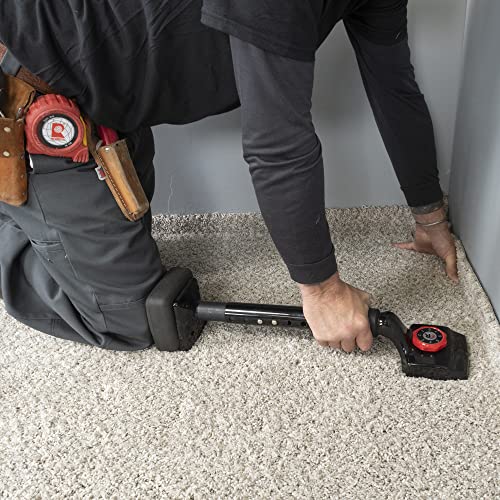
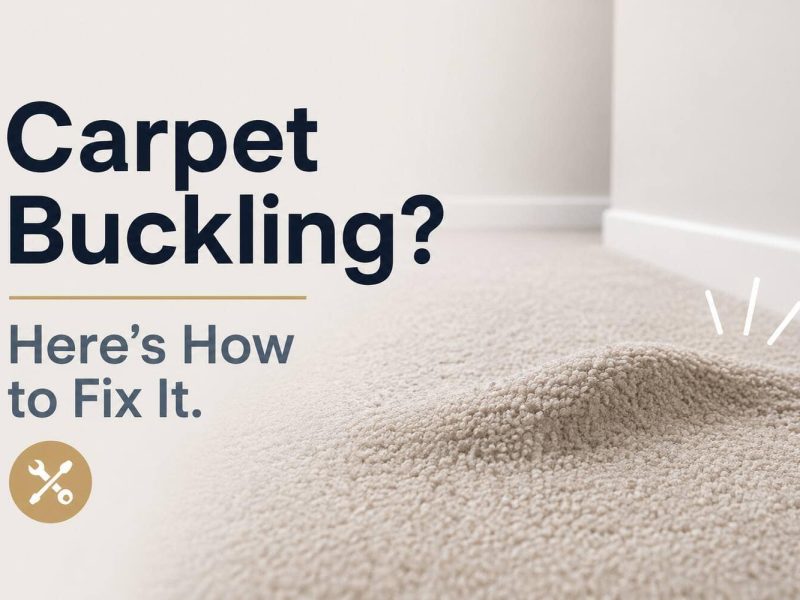
Professional installation isn’t just about aesthetics; it directly impacts safety for elderly residents. Proper stretching and securing prevent wrinkles and buckling that create tripping hazards. The power stretcher, that intimidating tool professionals use, isn’t optional luxury. It’s essential for creating smooth, taut surfaces that won’t shift or bunch underfoot.
Transitions between rooms require special attention. The metal or wooden strips that bridge the gap between carpet and hard flooring should sit flush with both surfaces, creating a nearly imperceptible change rather than a ridge that catches feet or walker legs. Gradual transitions matter more than matching finishes.
Bedroom installations should prioritize secure edges, particularly around beds where seniors frequently sit and stand. Loose carpet edges near furniture create dangerous catch points. Professional installers can tack these edges firmly while leaving just enough give to prevent the carpet from tearing under stress.
Wall-to-wall installation generally proves safer than area rugs, which notoriously slide and bunch despite the best gripper pads. Those beautiful Persian rugs might hold sentimental value, but they’re better displayed on walls than placed underfoot where they become liability hazards.
The Bottom Line on Flooring Choices

Dolores recovered from her fall, and my mother-in-law’s subsequent flooring investigation revealed that sometimes the best solution combines approaches. She installed low-pile cut pile carpet in bedrooms and living areas where comfort and fall protection matter most, while choosing slip-resistant luxury vinyl in kitchens and bathrooms where water and spills present greater concerns.
The goal of aging in place succeeds or fails on details most of us never notice until they matter desperately. Flooring choices might seem mundane compared to medical equipment or home modifications, but the surface beneath our feet influences every movement, every step, every journey across a room. Getting it right doesn’t guarantee our loved ones will never fall, but it dramatically improves their odds and gives them softer landings when gravity occasionally wins.
Smart flooring choices won’t solve all challenges that aging presents, but they’re one modification we can make today that pays dividends tomorrow. And unlike many aging-related conversations, discussing carpet involves substantially less emotional resistance than talking about giving up car keys or accepting help with bathing. Start with the floors. The rest will follow.
If you buy something on this page, we may get a small share of sale at no additional cost to you. We only recommend products that we have used ourselves and feel are really useful, not because of the limited compensation from the links through our posts.



Leave a Reply