


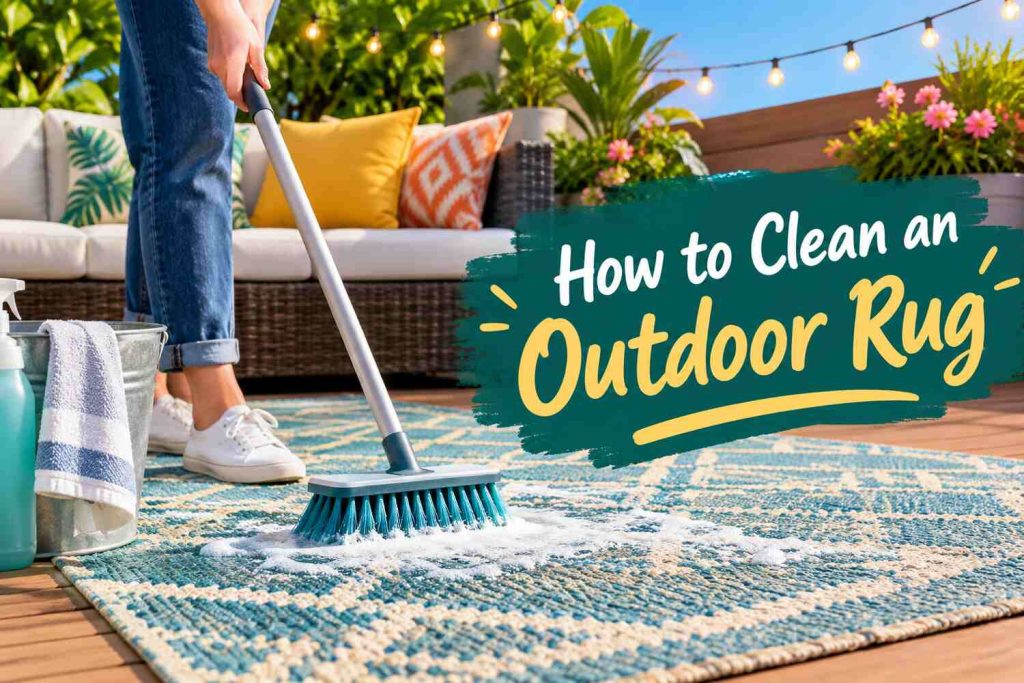
How to Clean an Outdoor Rug
How to Clean an Outdoor Rug https://www.carpetgurus.com/wp-content/uploads/how-to-clean-outdoor-rug-1024x683.jpg 1024 683 Jennifer Dean https://secure.gravatar.com/avatar/a12339e5b4dc251257b22c265dbeca84?s=96&d=mm&r=gLast summer, my patio hosted what I can only describe as a barbecue sauce massacre. A toddler guest decided the rug beneath the picnic table made an excellent canvas, three cousins knocked over a pitcher of beer during a heated cornhole rematch, and by the time the sparklers came out, my once-cheerful outdoor rug looked like a crime scene from a ketchup factory.
Somewhere between the third round of “who spilled this” and a neighbor’s dog tracking mud across the whole mess, I gave up trying to assign blame and simply surveyed the wreckage with the kind of resignation usually reserved for tax season.
I spent the next morning on my knees with a garden hose, a bottle of dish soap, and a newfound respect for whoever invented outdoor textiles. That humbling Saturday turned me into something of an accidental expert, and here is everything I wish someone had told me before the sauce dried in, because it always dries in faster than you expect, usually right around the time you decide one more s’more can’t hurt.
What Exactly Is an Outdoor Rug, Anyway?
Not every rug that lives outside started life prepared for the job. True outdoor rugs are woven from synthetic fibers like polypropylene or recycled PET plastic, materials chosen specifically because they shrug off rain, resist fading under brutal sun, and don’t turn into a science experiment when they get wet.
Unlike their indoor cousins, these rugs are built to breathe: water passes through rather than pooling on top, which matters enormously when your patio doubles as a splash zone for pool towels, garden hoses, and the occasional dog shaking off after a swim. Many are flat-woven, which sounds like a small detail until you realize it means there is no dense pile underneath for spilled sauce to burrow into and hide, plotting its revenge for weeks.
Choose the wrong kind, an indoor rug pretending it can handle a deck, and you will be replacing it by next spring, mildewed and sun bleached beyond recognition, looking less like a design choice and more like a cautionary tale.
The Usual Suspects Behind Every Stain

Barbecue sauce and beer deserve their own paragraph in the outdoor rug hall of shame, but they hardly work alone. Wine gets knocked over during golden hour toasts, usually the good bottle someone brought specifically to impress everyone.
Bird droppings arrive uninvited and often, seemingly targeted with unsettling precision. Pollen settles in like an unwelcome houseguest every spring, and mud arrives courtesy of every kid, dog, and well meaning gardener who tracks it across the threshold. Sunscreen leaves greasy handprints, and citronella candles tip over with alarming regularity, usually during the exact conversation everyone was too distracted to notice.
Grease from a dropped burger patty seeps deep into fibers if left alone too long, and melted popsicles contribute their own sticky signature by midsummer. Knowing your enemy matters here, because a beer spill and a grease stain call for genuinely different tactics, and treating one like the other tends to make things worse rather than better.
Start With the Boring Stuff: Regular Upkeep
Nobody wants maintenance advice, and yet a weekly shake and sweep prevents ninety percent of the headaches described above. Grit and sand act like sandpaper on rug fibers every time someone walks across it, so a simple shake outside or a quick pass with a stiff broom keeps things from grinding in permanently.
Vacuuming works too, provided your vacuum has a setting gentle enough not to unravel the weave. Flipping the rug occasionally evens out sun exposure and stops one section from fading faster than the rest, a small habit that saves a surprising amount of money over the years.
The Soap and Hose Method
For general grime, a bucket of warm water mixed with a few drops of mild dish soap handles most jobs without drama. Scrub gently with a soft bristle brush, working in the direction of the weave rather than against it, then rinse thoroughly with a garden hose until the water runs clear.
Drying matters more than people expect: lay the rug flat over a fence, deck railing, or clothesline so air moves underneath as well as on top. Folding a damp rug into a pile is basically an invitation for mildew to move in, and mildew does not RSVP politely.
Taking On Barbecue Sauce and Beer, Specifically
Barbecue sauce combines sugar, vinegar, and oil into one sticky nightmare, so speed matters. Scrape off excess sauce with a spoon or dull knife before it bonds with the fibers, then blot, never rub, with a cloth dipped in cool soapy water. Rubbing just pushes the stain deeper and spreads it wider, which nobody wants.
A paste of baking soda and water left to sit for fifteen minutes lifts the greasy residue that soap alone leaves behind. Beer, mercifully, behaves better: blot up the excess, rinse with cool water, and a light vinegar solution neutralizes both the smell and the sugar that would otherwise attract ants looking for their own afternoon party.
Wine follows a similar playbook, cold water first, never hot, since heat sets stains rather than lifting them.
Deep Cleaning and Mildew Patrol
Every rug eventually needs more than a quick rinse. For synthetic outdoor rugs, a diluted bleach solution, roughly one cup per gallon of water, tackles mildew and mold effectively, though testing an inconspicuous corner first prevents unpleasant surprises with colored dyes.
A pressure washer speeds things up considerably, held at a moderate distance so the spray cleans rather than shreds the fibers. Sunlight finishes the job nicely, acting as a natural disinfectant while the rug dries flat outdoors. Stubborn mildew spots benefit from a mixture of vinegar and water scrubbed in with an old toothbrush, proof that sometimes the cheapest tools in the cabinet outperform anything sold in a specialty aisle.
Storing It Properly When the Season Ends
Winter storage decides whether your rug survives to host another barbecue disaster next year. Rolling beats folding every time, since folds create creases that weaken fibers and invite moisture to hide in the crevices.
Confirm the rug is completely dry before rolling it, and store it somewhere ventilated rather than sealed in plastic, which traps humidity and defeats the entire point. A breathable storage bag or an old cotton sheet works better than anything airtight.
A Rug That Has Earned Its Stripes
My patio rug survived that barbecue sauce massacre, beer spill and all, and honestly looks better now than it did the week I bought it, mostly because I finally learned to treat it like the workhorse it actually is rather than a delicate houseguest.
Outdoor rugs are built for exactly this kind of chaos: sticky fingers, spilled drinks, and the occasional cornhole catastrophe. Clean it promptly, dry it properly, and it will keep absorbing your summer’s worst decisions for years to come, no complaints, no drama, just quietly doing its job underfoot.
Next barbecue, I am still not assigning blame for the sauce. I am just grabbing the hose a little faster.
If you buy something on this page, we may get a small share of sale at no additional cost to you. We only recommend products that we have used ourselves and feel are really useful, not because of the limited compensation from the links through our posts.




Leave a Reply