


How to Get Rust Stains Out of Carpet
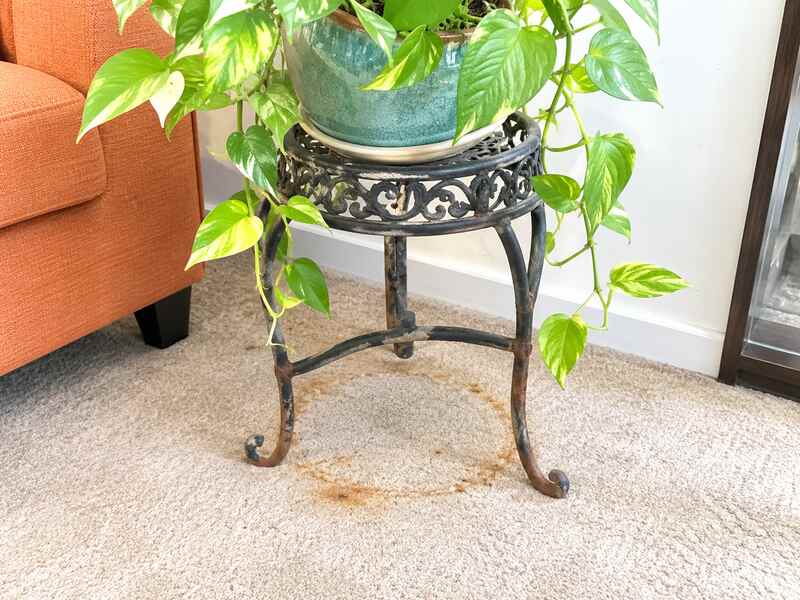
How to Get Rust Stains Out of Carpet https://www.carpetgurus.com/wp-content/uploads/How-to-Get-Rust-Stains-Out-of-Carpet-1024x576.jpg 1024 576 Jennifer Dean https://secure.gravatar.com/avatar/a12339e5b4dc251257b22c265dbeca84?s=96&d=mm&r=gThree years ago, I dragged a vintage cast-iron plant stand across my living room and set it down on a cream carpet.
A week later, a rust-orange ring had bloomed underneath it, as if the floor were filing a formal complaint about my judgment. I did what any calm adult would do. I panicked, grabbed the chlorine bleach, and made everything worse.
Since then, I have ruined a respectable number of washcloths and learned what actually dissolves rust without wrecking carpet fibers.
Consider this the guide I wish I had found before sacrificing an entire Saturday to a stain the size of a dinner plate.
Why Rust Stains Are a Different Beast
Rust is iron oxide, a compound that forms when iron meets moisture and oxygen. When a damp metal object sits on carpet, tiny particles of that oxide migrate into the fibers and cling.
Unlike a coffee spill, which leaves behind pigment, rust leaves behind a mineral deposit. That explains why ordinary carpet shampoo accomplishes little beyond making the stain wet and, somehow, smug.
What works is a mild acid that loosens iron’s grip on the fibers. Lemon juice, white vinegar, and a few commercial products can all do the job. Which one you reach for depends on how old the stain is and how brave you feel.
Three Rules Before You Touch the Stain
Rule one: put the chlorine bleach down. It can set a rust stain into a permanent yellow-brown, and it often strips carpet dye in the process. I know this because I personally gave my carpet a lovely two-tone finish.
Rule two: spot test every product in a hidden area, such as inside a closet or beneath a sofa. Wait ten minutes, blot with a white cloth, and check for color transfer. A carpet that looks fine in the closet is a gift. One that does not has just saved you from a catastrophe in the middle of the room.
Rule three: blot, never scrub. Rubbing frays fibers and drives rust deeper. Think of yourself as a bomb technician, not a lumberjack. Keep heat away from the stain too, including steam cleaners and hair dryers, until every trace of orange is gone, since heat can lock rust in for good.
Method One: Lemon Juice and Salt
Start here, because it is cheap, gentle, and probably already in your kitchen.
- Use a spoon or dull knife to lift loose rust flakes, then vacuum them up.
- Sprinkle salt generously over the stain, then saturate it with fresh lemon juice. Salt helps hold the juice in place so it can work on the stain instead of running off.
- Let it sit for 30 to 60 minutes. Go do something else. Hovering will not speed up chemistry.
- Blot with a clean white cloth, working from the edges toward the center so the stain does not spread.
- Rinse with cool water, blot again, and press dry with a towel.
Lemon juice can lighten some dyed carpets, so trust your spot test. If the orange has faded but not vanished, repeat the process.
Method Two: White Vinegar and Cream of Tartar
For stains that laughed at lemon juice, bring in the baker’s secret. Stir cream of tartar with a splash of white vinegar until you have a thick paste, then spread it over the stain.
Both ingredients are mild acids, and together they cling to the spot better than liquid alone. Let the paste dry completely, which can take a few hours, then vacuum up the residue.
Dab any leftover discoloration with plain vinegar, rinse with cool water, and blot dry.
Fair warning: your home will smell like a pickle factory for an afternoon. Open a window and consider it a small tax on carelessness.
Method Three: An Oxalic Acid Rust Remover
When a stain is old, dark, or simply stubborn, it is time for a stronger option. Look for a rust remover based on oxalic acid and labeled safe for carpet.
Wear gloves, ventilate the room, and follow the directions on the bottle to the letter. Skip any product containing hydrofluoric acid, which is hazardous and can damage fibers.
Apply a small amount, wait the recommended time, then rinse thoroughly with cool water. Leftover chemical residue can weaken fibers and attract dirt, so rinse more than feels necessary and blot dry.
When to Call a Professional
Synthetic carpets such as nylon and polyester generally tolerate these treatments well. Wool, silk, and antique rugs are another story, since acids can harm natural fibers and dyes.
If your carpet falls into that category, or if the stain covers a large area, a professional cleaner is worth the fee. My personal rule: if I would be sad to lose it, I make the phone call.
Troubleshooting Stubborn Stains
Patience pays here. Old rust often needs two or three rounds before it gives up, so a stain that looks unchanged after round one is not a verdict.
Let the area dry fully between treatments to avoid blotchy rings. To speed up drying, lay a folded white towel over the damp spot and weigh it down with a glass jar. Glass, not a can. I am not repeating history.
If a faint shadow remains after several attempts, one last pass with a carpet-safe oxalic acid product usually clears it. If it still lingers, a professional extraction machine can pull out what your kitchen chemistry could not.
How to Keep Rust From Coming Back
Prevention is far easier than cleanup. Slide plastic or glass coasters under metal furniture legs, and set potted plants on saucers that are sealed or rust-free.
Keep tools, bikes, and dumbbells off carpeted floors. If a metal item must live on carpet, such as a filing cabinet or a weight bench, park it on a rubber mat or plastic tray.
Check radiators and pipes for slow leaks, since a drip you ignore for a month becomes a stain you meet in the morning.
In damp rooms, run a dehumidifier to keep moisture, and therefore rust, in check.
Final Thoughts
My plant stand survives, now perched on glass coasters and looking smug about it. My carpet is cream again, and my pride has mostly recovered.
Rust stains feel like a disaster in the moment, but a little kitchen chemistry, a steady hand, and the discipline to leave the bleach on the shelf will fix most of them.
Be patient, test first, and for the love of carpet, blot.
If you buy something on this page, we may get a small share of sale at no additional cost to you. We only recommend products that we have used ourselves and feel are really useful, not because of the limited compensation from the links through our posts.




Leave a Reply