


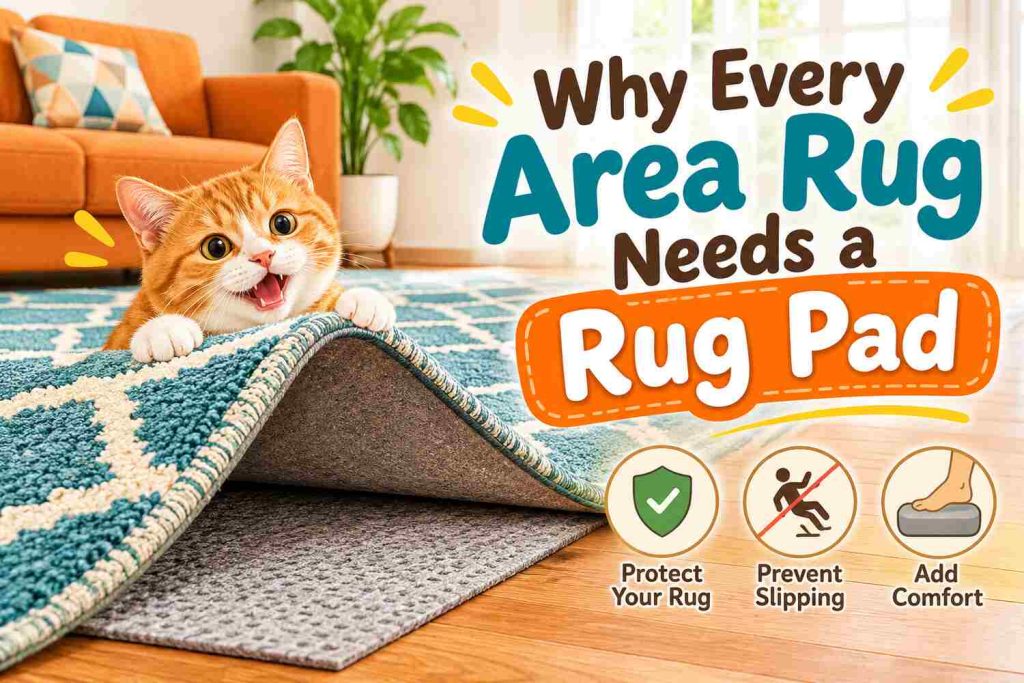
Why Every Area Rug Needs a Rug Pad
Why Every Area Rug Needs a Rug Pad https://www.carpetgurus.com/wp-content/uploads/Rug-pad-cover-1024x683.jpg 1024 683 Marvin Wallace https://secure.gravatar.com/avatar/dfba7fb04287da7d901f561fada57000?s=96&d=mm&r=gThree winters ago, I watched my favorite wool rug travel eleven inches across my living room in a single week.
Nobody pushed it. It drifted like a slow, patterned glacier until one corner folded over and sent me, a full mug of coffee, and my dignity skidding toward the bookshelf.
I blamed the rug. My floor blamed me. We were both wrong, because what we really lacked was a rug pad, that humble layer nobody photographs and everybody eventually needs.
What a Rug Pad Actually Does
Think of a rug pad as the supporting actor of your home decor. It sits between your area rug and your floor, does most of the hard work, and never asks for credit.
Depending on the material, it grips the surface, cushions each footstep, absorbs impact, and creates a protective buffer for both the rug and the floor beneath it. It also keeps rugs from curling at the edges, a habit that turns a stylish room into an obstacle course.
For years, I assumed a pad was an upsell, the home goods equivalent of an extended warranty on a toaster. Then I priced out refinishing a scuffed hardwood floor and replacing a flattened rug. Suddenly, a pad that cost a fraction of either looked like the best bargain in the building.
Safety Comes First (Yes, Really)
A sliding rug is funny right up until it is not. Slip-resistant pads keep an area rug anchored, which means fewer bunched corners, fewer stubbed toes, and fewer surprise gymnastics routines on the way to the kettle.
Slips and trips are a common source of household injuries, and loose rugs are a frequent culprit. Hallways, entryways, and kitchens benefit most, since people tend to move quickly there while carrying things they should not be carrying. If anyone in your home is older, unsteady, or small and speedy, a non-slip rug pad is less a decorating choice than a basic safety measure.
Today I keep one under every rug in my apartment, including the tiny mat by the bathroom sink that I once considered too small to bother with. Small rugs, as it turns out, are the most enthusiastic escape artists.
Protecting Hardwood Floors From Scratches and Stains
Here is something that surprised me: rugs scratch floors. Grit, pet claws, and stray crumbs get trapped underneath, then ground into the finish by every footstep, like sandpaper with a lovely pattern on top. A felt rug pad or a quality natural rubber pad creates a soft barrier that stops this slow-motion damage before it starts.
Some pads can cause harm too, which brings me to my own mistake. The thin mesh pad that came free with my first rug was made of PVC, and over one humid summer it left a faint yellow stain on my oak floor that no amount of scrubbing could erase.
Certain synthetic materials can react with floor finishes, so I now look for pads labeled safe for hardwood floors, and I read the fine print the way other people read restaurant reviews.
Longer Rug Life and Better Comfort Underfoot
Foot traffic compresses and wears down rug fibers, while friction against the floor adds abuse from below. A good pad acts like a shock absorber, reducing that pressure and abrasion so your rug keeps its shape and looks fresh for years rather than seasons. If you have invested in a wool rug or a hand-knotted piece, this is the cheapest insurance policy you will ever buy.
Comfort improves as well. Even a thin rug feels plusher with a pad beneath it, a bit like upgrading from a folding chair to a recliner without changing the furniture. Pads also dampen noise, which your downstairs neighbors will appreciate, especially if a small child treats your living room as a stampede arena.
Breathable materials let air circulate, which helps keep moisture from settling under the rug, and a flat, stable rug makes vacuuming far easier.
How to Choose the Right Rug Pad
Material is the first decision. Felt pads are dense and cushiony, which makes them excellent for comfort and floor protection. Natural rubber pads grip beautifully and suit smooth surfaces. A felt and rubber combination delivers cushion and grip together, which is why I buy it most often. Skip cheap PVC options, especially on finished wood.
Thickness comes next. Most rooms do well with a pad between one-eighth and one-quarter inch thick. Go thinner near doors that must swing over the rug, and choose thicker if you want a plush feel in a bedroom or living room.
Size matters most of all. Aim for a rug pad size about one inch smaller than your rug on every side. That keeps the edges hidden, lets the rug lie flat, and spares guests from tripping over a stray strip of gray padding that looks like it escaped from a gym. Measure twice, trim once, and keep your scissors sharp.
Which Rooms Need a Pad Most
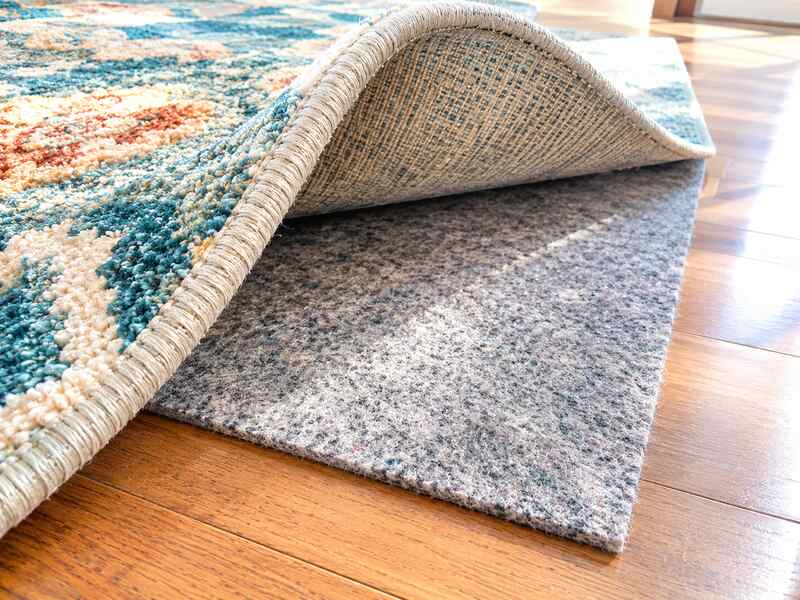
Living rooms top the list, since heavy foot traffic and furniture weight wear rugs quickly. Entryways come second, because shoes drag in grit like tiny delivery drivers.
Kitchens and hallways need a non-slip option for safety, and bedrooms benefit from a thicker pad that turns the first step out of bed into a small act of luxury.
Dining rooms deserve a pad too, since chairs pulling in and out tug at a rug all evening, and nothing ruins dessert like a wrinkle launching a chair leg. If you have radiant floor heating, check that the pad is rated for it before you buy.
Rugs placed over wall-to-wall carpet need attention as well. A specialized pad for a rug on carpet keeps the layers from creeping and bunching, which otherwise happens with the stubborn determination of a toddler avoiding bedtime.
What a Rug Pad Costs and When to Replace It
Prices vary with size and material, but a quality pad for a standard 8 by 10 rug often lands somewhere between $30 and $100. Considering what it protects, that is a bargain.
Do not count on a rug’s built-in grippy backing to do the job either. Those coatings wear out quickly and offer little cushioning or floor protection.
Pads do not last forever, though. Check yours every couple of years, and replace it when it feels flat, crumbly, or no longer grips. Out of sight should not mean out of mind.
A Small Purchase With a Big Payoff
My rug has not budged since I added its pad. It sits flat, feels softer, and looks as if it belongs there, which is more than I can say for me after the coffee incident.
If you own an area rug, a rug pad is the quiet upgrade that protects your floors, your rug, and your ankles. Buy one, trim it correctly, and enjoy the delightful boredom of a rug that stays exactly where you put it.
If you buy something on this page, we may get a small share of sale at no additional cost to you. We only recommend products that we have used ourselves and feel are really useful, not because of the limited compensation from the links through our posts.



Leave a Reply